
Month by month
Moremi in July
July is the punchline of the Okavango's long joke on geography: not a drop of rain in the monthly average, the coldest mornings of the year, and more water in the reserve than at any other point on the calendar.
If you only want the answer
July is peak flood and peak Moremi, with boating at its finest, game pressed onto the flood edges and the busiest campsites of the year. It must be booked when availability opens, roughly a year out. August offers the same water with milder mornings.
Maximum water, minimum sky
The averages read like a misprint: 0 mm of rain, days of 25.1°C, nights of 9.9°C, the lowest on Moremi's calendar. Yet this is when the Angolan pulse crests at the reserve's latitude, five months after the rain that made it fell. Floodplains brim, channels run full, and everything that walks is pushed onto the shrinking dry ground along the water's edge.
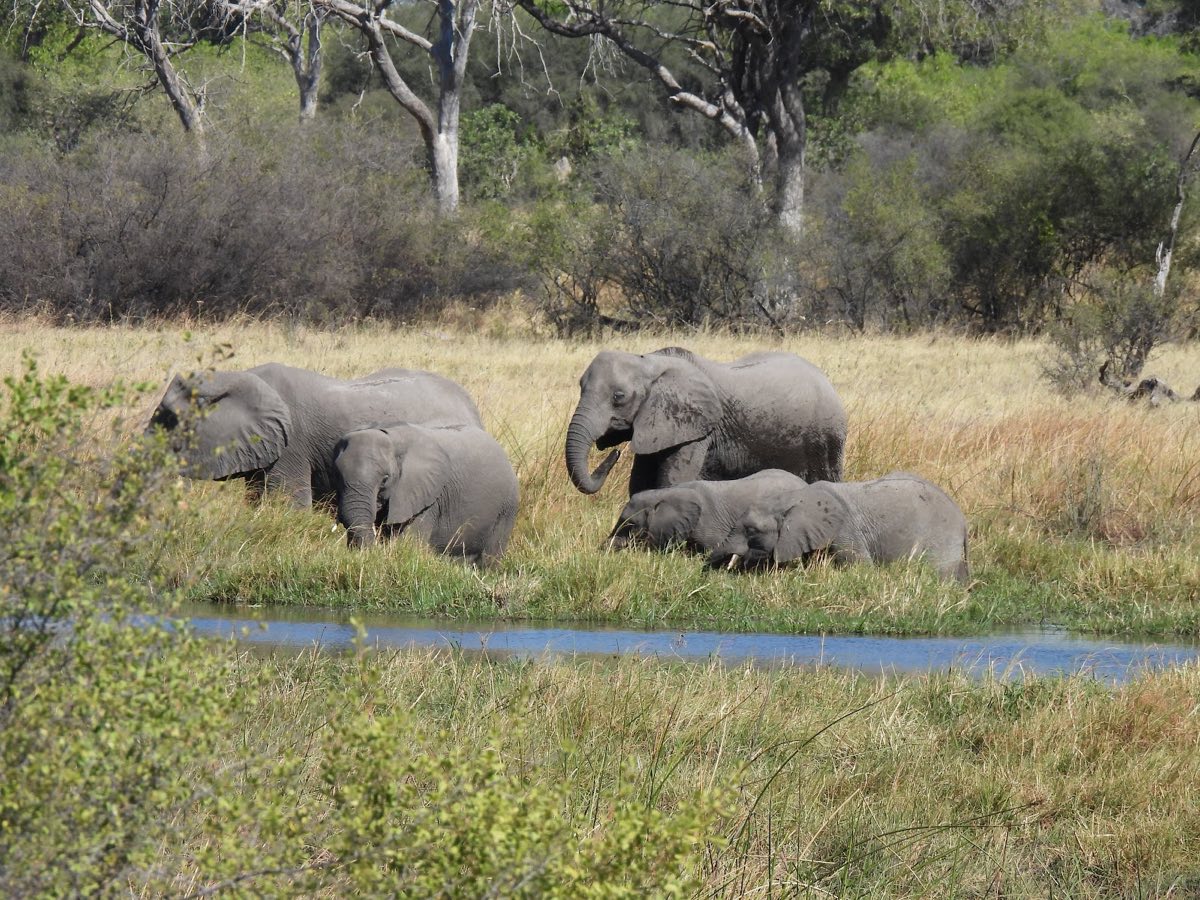
That compression is the viewing. Predators patrol the margins where prey must concentrate, and a single morning along the Khwai or around the Xakanaxa lagoons can produce more than a green-season week.
Take to the boats
With the flood at crest, this is the standout month for Moremi's water program. Motorboat routes reach their maximum extent, mokoro from Mboma is at its most dependable, and the Gcodikwe heronry hits the peak of its breeding chaos, thousands of storks, herons and egrets stacked into the trees of a lagoon island.
The tip lives here: when you book the heronry cruise from Xakanaxa, insist on the longer option, since the deep lagoon system takes real time to cross and a short outing spends most of itself in transit.
Everyone else knows this too
July is the annual maximum of demand for four small public campsites that cannot expand, and the reservation-required rule turns that scarcity into a hard entry barrier. Email the concessionaires the week availability opens, roughly twelve months ahead, and treat anything under nine months as luck.
If July defeats you, read our August page before downgrading your plans: the flood holds, the crowds thin fractionally, and the one real difference is temperature, since August mornings lose July's hardest edge.